
From tanneries to swimming pools, from food processing lines to paper mills — every industrial operation in Kerala that uses water also creates wastewater. What happens to that water determines whether a business is sustainable or a liability.
Water is at the centre of almost every industrial process. It cools machinery, carries away waste, cleans surfaces, and acts as a solvent in dozens of chemical reactions. What comes out the other end — the effluent — carries whatever it picked up along the way: dissolved chemicals, organic matter, suspended solids, heavy metals in some cases, and biological contaminants in others.
In Calicut and across Kerala, the regulatory environment around industrial effluent has tightened considerably over the past decade, and rightly so. The state's rivers, backwaters, and coastal waters are not just ecological assets — they are the livelihood of fishing communities, the source of tourism revenue, and in many areas the direct source of drinking water. Discharging untreated or inadequately treated effluent into this system has consequences that reach far beyond the factory gate.
Industries with the highest wastewater challenges in Calicut
Tanneries and leather processing units produce some of the most chemically complex effluent in any industrial sector — high chrome, high biological oxygen demand, strong colour, and significant toxicity. An effluent treatment plant for a tannery is a serious engineering undertaking, and ongoing monitoring is essential.
Tea and coffee processing facilities in the Malabar region generate high-strength organic effluent from washing and fermentation stages. Left untreated, this creates severe oxygen depletion in receiving water bodies.
Paper and pulp industries produce large volumes of wastewater with dissolved lignin, bleaching chemicals, and fibrous solids. Cost-effective industrial water treatment for paper mills requires a multi-stage ETP — primary settling, biological treatment, and in many cases tertiary filtration.
Food processing facilities, meat and fish processing units, and fruit and vegetable operations all generate high-BOD effluent that requires biological treatment before safe discharge.
ETPEffluent Treatment Plant — the core tool for industrial liquid waste
STPSewage Treatment Plant — essential for all large facilities
ISOEnvonix holds international certification for treatment solutions
Industrial water treatment is not just about compliance
There is a tendency to view effluent treatment purely as a regulatory hurdle — something you do to avoid fines. That framing misses the economic logic. Water, in Kerala as elsewhere, is an increasingly valuable resource. Industrial operations that treat and recycle their process water are insulating themselves against future water costs and scarcity. Treated wastewater, depending on its final quality, can be reused for cooling, irrigation, or cleaning — reducing freshwater intake and operating costs simultaneously.
"The best industrial water treatment systems are not cost centres — they are resource recovery systems. Treated water is a recoverable asset, not a waste product to be discarded."
Drinking water treatment plants for industrial and institutional use
On the other side of the water equation is the input — the water coming in. For many industrial operations, institutions, and large residential complexes in Kerala, municipal supply is either unavailable, insufficient, or of inconsistent quality. Groundwater or surface water sources are tapped instead, and these require treatment before they are safe for drinking, cooking, or process use.
Drinking water treatment services in Kerala range from simple filtration and disinfection for small facilities to full-scale treatment plants for large campuses. Envonix Hydrotech designs and installs drinking water treatment plants calibrated to source water quality and intended use — whether that is a hospital requiring very high-purity water or a factory requiring water suitable for boilers and cooling systems.
Swimming pools: an often-overlooked water treatment challenge
For hotels, resorts, and recreational facilities, swimming pool water treatment is a recurring operational requirement. Water treatment for swimming pools in Kerala's climate — high temperatures, heavy use, high organic load from swimmers — requires a well-calibrated system of filtration, disinfection, and pH management. Poor pool water chemistry is not just an unpleasant experience for guests; it is a genuine health risk.
Modern pool treatment solutions have moved beyond reliance on high concentrations of chlorine. Biofilm management, algae control, and natural enzyme products can significantly reduce chemical dosing while maintaining water quality. This is kinder to guests, kinder to the pool structure, and lower in long-term operating cost.
Eliminating dumping yards: a connected challenge
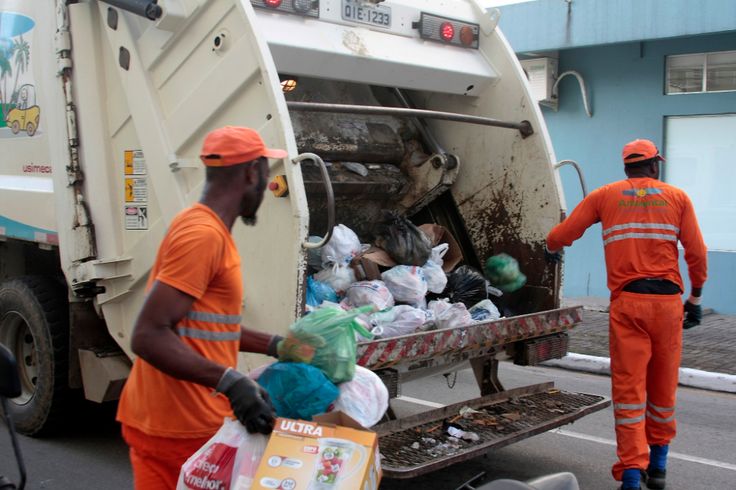
Many industrial sites in Calicut have legacy dumping areas — patches of land that have accumulated solid waste over years or decades. Eliminating these dumping yards is not just a cosmetic exercise. It requires understanding what is in them, how it is decomposing, whether leachate is affecting surrounding soil and water, and what remediation approach will work. Envonix Hydrotech's services include dumping yard elimination — a systematic, scientifically grounded process of waste removal, soil remediation, and prevention of recurrence.
Envonix Hydrotech provides effluent treatment plants, drinking water treatment, and industrial waste solutions across Calicut and Kerala.