
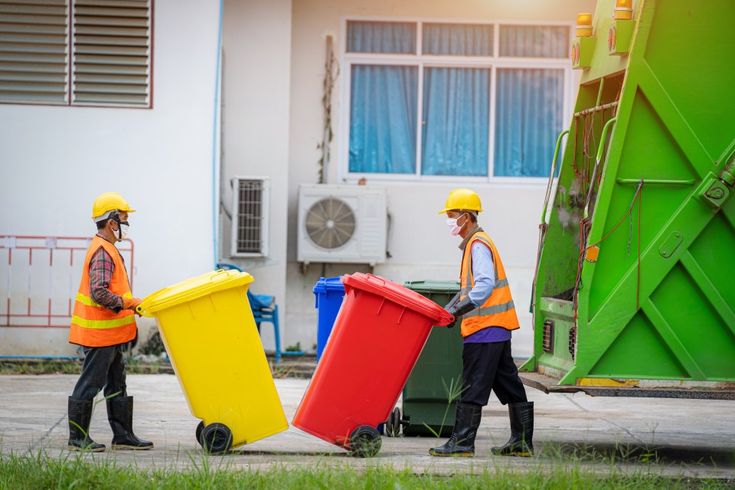
Kerala's hospitality industry has thrived on its natural beauty for decades. Now that same environment is sending back an invoice — in the form of mounting waste. Here's how forward-thinking hotels and restaurants are responding.
There is a certain irony in the fact that Kerala's biggest tourism draw — its lush, pristine backwaters and forested hills — is under pressure from the very industry that profits most from it. Hospitality generates a disproportionate amount of solid and biodegradable waste: food from kitchens, packaging from supplies, organic matter from gardens, and liquid effluent from laundries and kitchens.
A mid-sized hotel in Calicut, say one with 80 to 120 rooms, can generate anywhere from 300 to 600 kilograms of solid waste per day during peak season. A resort property with restaurant, pool, and landscaping will push that figure considerably higher. The question is not whether this waste exists — it does — but what happens to it next.
The problem with outsourcing waste entirely
Many hotel managers take the path of least resistance: pay a contractor to collect and transport waste, and move on. This approach has several quiet problems. Transport costs are rising. Dumping sites are becoming harder to access as local bodies tighten regulations. And increasingly, eco-conscious guests — particularly international tourists — are asking pointed questions about a property's environmental credentials before they book.
In 2025, green certification is not just a nice-to-have. It influences booking decisions. A hotel in Kerala that can demonstrate a functioning, on-site waste processing system, reduced landfill dependency, and responsible effluent treatment has a measurable competitive advantage, especially in the premium segment.
"A hotel's waste management system is part of its brand. Guests who care about sustainability are the guests with the highest lifetime value — and they notice everything."
What does an eco-friendly hotel waste management system look like?
The foundations are not complicated, though the execution requires expertise. Kitchen waste — the largest volume source — goes through on-site organic processing, either a biogas unit if scale allows, or a compact composting system using microbial accelerators. Liquid effluent from kitchens and laundries is treated through a small-scale effluent treatment plant before it reaches drainage. Garden waste is chipped and composted separately. Paper and cardboard are baled and recycled. What remains as actual landfill-bound waste is typically less than 15% of the original volume.
This is not a theoretical model. It is the kind of system that Envonix Hydrotech sets up and maintains for hotels and resorts across Calicut and Kerala. Their approach begins with a detailed waste audit — understanding exactly what comes out of your property, in what quantities, and on what schedule — and then designing a solution that fits your physical layout and operational rhythm.
The restaurant side of the equation
Standalone restaurants face a somewhat different challenge. The volume is usually smaller than a full resort, but the density of organic waste — cooking oils, food scraps, water used in prep — is high relative to the space available for treatment. Compact bio-digesters and septic tank enhancement products are often the right fit here, breaking down waste efficiently in a small footprint.
Restaurants that serve meat and fish have additional considerations. Animal-derived waste has a different microbial decomposition pathway and, if handled poorly, creates significant odour and pathogen risks. Using the right biological products, such as the enzyme-and-microbe formulations that Envonix supplies, makes an enormous difference in how quickly and cleanly this waste is processed.
85%waste volume reduction achievable with on-site organic processing
Zerotoxic residues from Envonix's natural microbial product range
Done-For-Yousetup, training, and ongoing maintenance support included
Pharmaceutical and paper waste: the overlooked streams
Hotels with in-house medical facilities or spas generate pharmaceutical waste — expired medications, chemical compounds, syringes — that cannot go into the general waste stream. In Calicut, improper pharmaceutical waste disposal is both an environmental and a legal liability. Specialised collection and treatment services exist, and hotels need to have a documented, auditable process for this stream.
Paper waste, meanwhile, is largely recoverable. Hotels generate substantial amounts of cardboard, office paper, and packaging — all of which have a recycling pathway. Integrating an affordable paper waste management service into the overall waste plan reduces disposal costs and improves recycling metrics for green certification purposes.
Getting started: what to expect from a professional assessment
A good waste management partner will start by walking your property with you. They will look at your kitchen layout, your waste collection points, your drainage configuration, and your available outdoor space. From that, they will produce a clear plan with costs, timelines, and expected outcomes. Reputable providers in Kerala will also help you with the documentation you need for environmental compliance and certification.
The cost of getting this right is typically offset within 12 to 18 months by lower disposal fees, reduced chemical use, and in some cases, the value of compost produced on-site. The cost of getting it wrong — regulatory fines, reputational damage, and the slow deterioration of the natural environment that guests came to see — is far higher.
Running a hotel, resort, or restaurant in Kerala? Get a customised waste management plan from Envonix Hydrotech.