
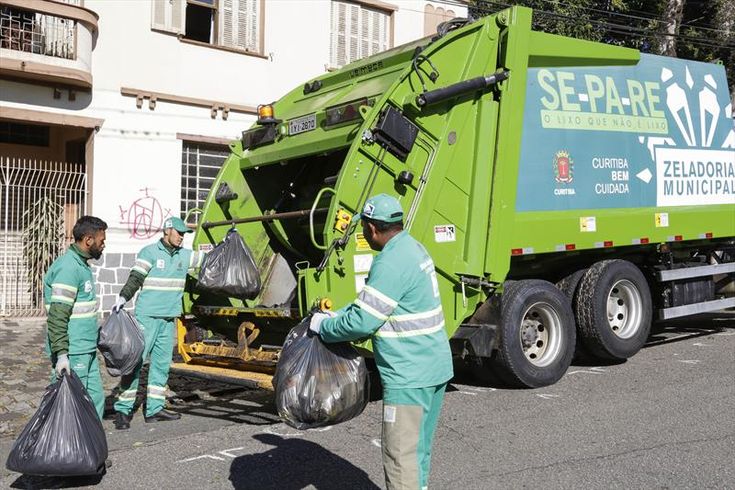
Whether you live in a standalone villa, a gated apartment complex, or a heritage home in the heart of Calicut, the way you manage your household waste has consequences — for your neighbourhood, your water supply, and the environment you share with everyone else.
Kerala households have been composting for generations. The traditional kitchen garden — the thottam — relied on organic kitchen waste being returned to the soil as a matter of course. Somewhere along the way, as plastic bags and municipal collection services arrived, that direct connection between kitchen and soil was broken. The result has been a rise in mixed-waste generation, overloaded municipal systems, and the slow degradation of neighbourhood environments that older residents remember as clean and fragrant.
The good news is that the tools to restore that loop are better than they have ever been. Modern affordable household waste management approaches in Kerala combine traditional wisdom about organic cycles with biological science that makes the process faster, cleaner, and easier to maintain.
Understanding your household waste profile
Before you can manage waste well, you need to understand what you are actually generating. For a typical household in Calicut, the breakdown roughly looks like this: kitchen and food waste accounts for the largest portion — around 50 to 60 percent of total waste by weight. Paper and cardboard come next, followed by plastic packaging, glass, and a small fraction of hazardous items like batteries and medicines.
The organic fraction — the food waste — is the one that most urgently needs a proper pathway. When it goes to landfill or a dump yard, it produces methane (a potent greenhouse gas), leaches nutrients into groundwater, and attracts vermin. When it goes through proper composting or biogas treatment, it becomes a resource.
"A family of four in Kerala can divert close to 200 kilograms of organic waste per year away from landfill through home composting alone. That is the weight of two and a half bags of cement — imagine that going back to your garden instead."
Home composting: what really makes it work
Home composting has a reputation for being fussy and malodorous, and that reputation is not entirely undeserved. Poorly managed compost bins — the wrong carbon-to-nitrogen ratio, too much moisture, no aeration — do smell, do attract pests, and do discourage people from continuing. Well-managed ones produce crumbly, earth-smelling compost in six to eight weeks and require less daily attention than most houseplants.
The single biggest improvement most households can make is using the right microbial products for decomposing waste. High-quality biological products that contain specifically selected bacterial and fungal strains will dramatically accelerate decomposition, suppress odour, and produce better-quality compost. These are the kind of products that Envonix Hydrotech supplies — natural, non-toxic, and effective across the range of organic materials a typical Kerala household produces.
Septic tanks and liquid waste: the invisible problem
Most homes in Kerala's residential areas that are not connected to municipal sewerage rely on septic tanks. A well-functioning septic tank is a remarkably elegant piece of infrastructure: bacteria break down solids, liquid effluent disperses safely into the soil, and the system runs quietly for years. A poorly maintained or overloaded one backs up, overflows, contaminates groundwater, and creates a genuine public health hazard.
Cost-effective products for septic tanks — biological additives that replenish and boost the bacterial population in the tank — can extend the time between pump-outs, reduce odour, and improve effluent quality. This is particularly important in households that have used antibacterial cleaning products heavily, as these can kill the very bacteria that keep the tank functional.
6–8 wksto produce compost using the right microbial accelerators
Odour-freenatural enzyme products suppress smells at source
Affordablehousehold-scale products available for all budgets
Apartment complexes: waste management at scale
Gated communities and large apartment blocks in Calicut face a particular challenge: they generate waste at a volume that makes individual household solutions impractical, but they often lack the space and expertise to run a proper treatment facility. The sweet spot is usually a shared composting or biogas system sized for the complex, managed centrally, and fed by well-segregated waste from individual flats.
For apartment resident welfare associations (RWAs) in Kerala, setting up this kind of system has become increasingly common and increasingly supported by local body regulations. An affordable solid waste management service that includes ongoing maintenance — not just installation — is essential for these systems to remain functional beyond the first year.
Villas and independent homes: more options, more flexibility
Standalone homes, particularly villas with garden space, have the most flexibility of all. A kitchen garden compost system, a small biogas unit fed by kitchen waste, and a properly maintained septic tank can together handle virtually all of a household's biodegradable waste on-site, with the compost returning to the garden and the biogas offsetting LP gas costs.
This kind of circular household system — aspirational as it might sound — is entirely achievable with the right products and a small investment of time in the initial setup. Envonix Hydrotech's range of eco-friendly waste management products is designed specifically for this kind of home-scale application, and their team can advise on the right combination for your specific situation.
Paper waste: the recyclable stream most households overlook
Newspaper, cardboard packaging, office paper, and magazines are all recyclable and have a ready market through waste paper dealers across Kerala. The missing link is often simply the habit of separating them cleanly and keeping them dry. Damp paper degrades in quality and is harder to recycle efficiently. A designated dry storage spot — even a simple cardboard box in a corner — and a regular collection arrangement with a local kabadiwala or affordable paper waste management service is all it takes to divert this stream entirely from landfill.
Start small, start now: You do not need a perfect system before you start. Begin with a simple compost bin for kitchen scraps, a separate bag for dry recyclables, and the right microbial product to make the composting work cleanly. Build from there. Perfection is the enemy of progress in waste management.
Green waste processing in Kerala: the bigger picture
Individual household action matters — but it matters most when it is part of a larger system. Kerala has the cultural foundation, the institutional awareness, and increasingly the technical capacity to become a model for sustainable waste management in South Asia. Cities like Calicut can lead that story, and every household, apartment complex, and villa that manages its waste responsibly is part of the evidence that it is working.
The companies making this possible — those providing certified, eco-friendly, locally appropriate solutions rather than just carting waste somewhere out of sight — deserve support and recognition. Choosing a provider like Envonix Hydrotech is, in a small but real way, a vote for the kind of Kerala that future generations will actually want to live in.
Ready to set up a household waste management system that actually works? Envonix Hydrotech serves residences, villas, and apartment complexes across Calicut and Kerala.